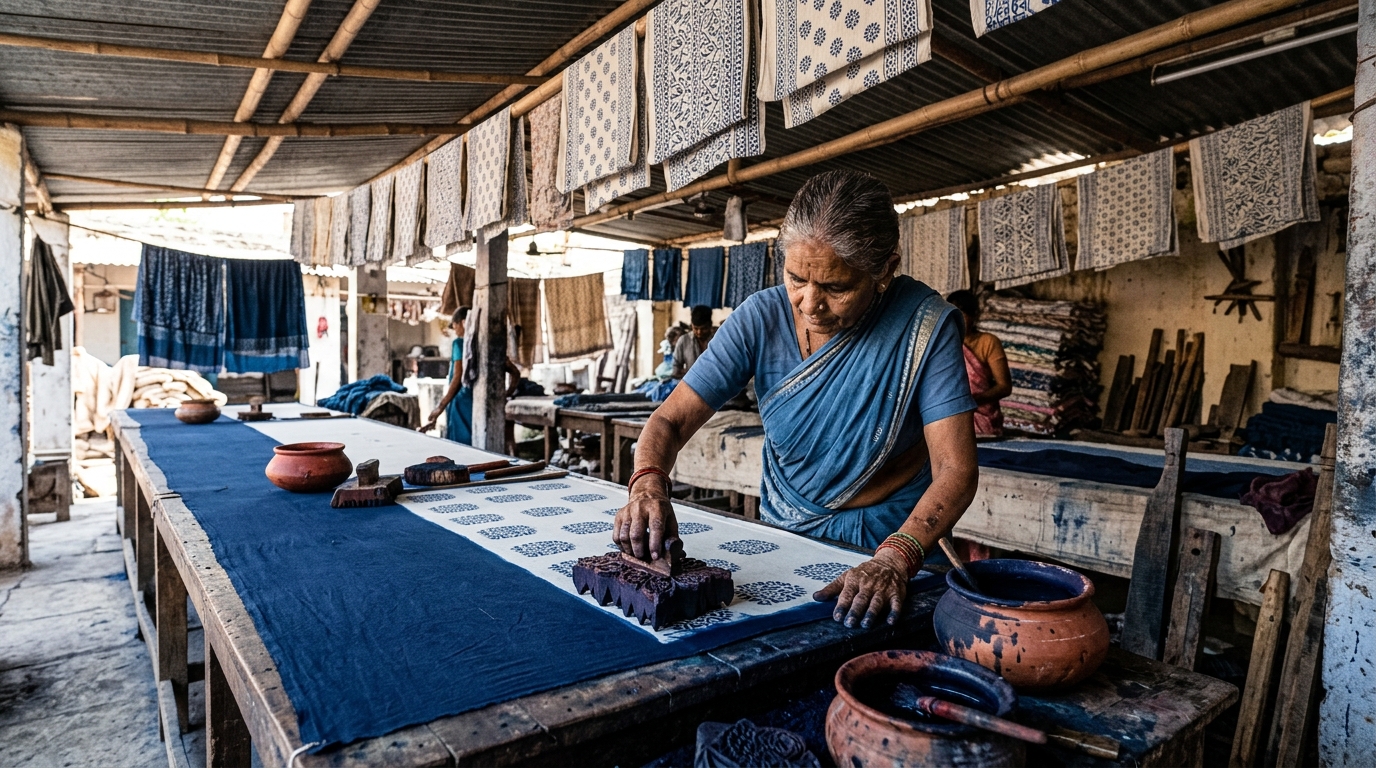
A sample gives you a chance to agree on the look and feel of a textile before a larger production run. For block-printed fabric, review the design closely and write down what the supplier should match.
Record the Details That Define the Design
Keep a short specification with the sample. Include the base fabric, finished width, colours, motif, print repeat, border and any label or finishing requirements. Use a physical swatch or clear reference images so the supplier can see the intended result.
If the print needs to sit in a particular place on a cushion cover, table linen or other finished item, show that placement in a drawing or marked-up photo.
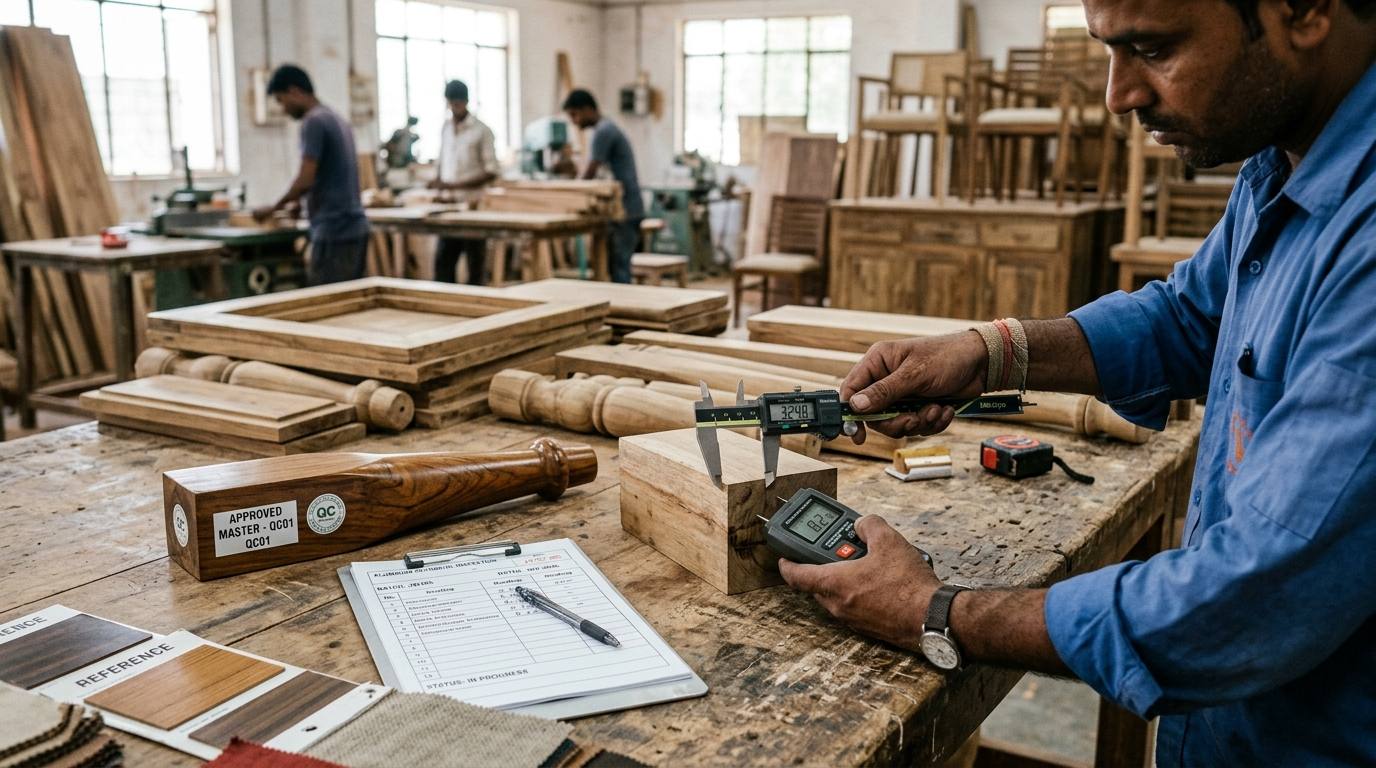
Review the Print on the Fabric
Check that the motif and repeat look right across the sample. Look for unwanted gaps, overlaps, smudges, incomplete impressions or visible marks. Some variation may be part of the design you have chosen; agree which differences are acceptable and record examples rather than relying on a vague phrase like âmatch the sample.â
Review the fabric in the conditions in which it will normally be used or displayed. If the colour or finish is especially important, agree how you and the supplier will compare it during production.
Practical Tip: Natural Light vs. Artificial Light
Vegetable dyes (like indigo, harda, and madder) and pigment colours can shift in appearance between fluorescent workshop lighting and natural daylight. Always inspect approved colour swatches under standardized light or consistent natural daylight.
Confirm the Fabric and Finish
Check the fabric against the agreed composition and feel. Review the edges, surface and finishing for defects that would affect the final product. If the textile will be washed or used in a particular way, agree on any relevant checks before production begins.
Donât assume the sample alone sets every production requirement. Write down the dimensions, acceptable variation and inspection points that matter for the order.
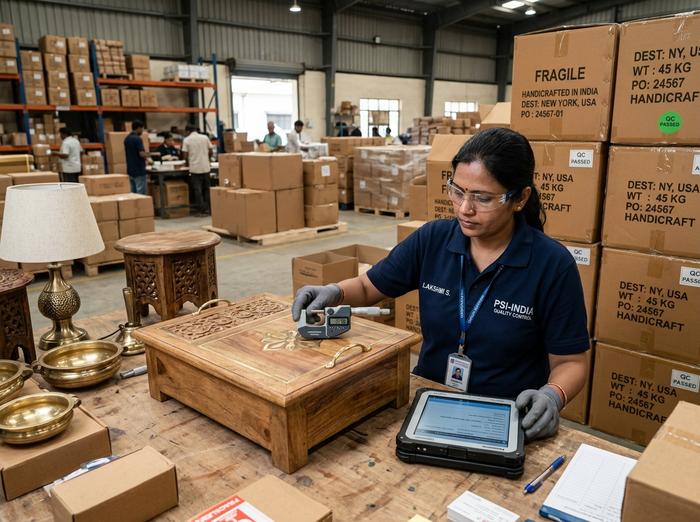
Keep One Approved Reference
Once you approve the sample, label it with the design name or code and approval date. Keep a matching record with the specification and photos. The supplier and inspector can then use the same reference during production and final checks.
For more information, see our textile sourcing page and pre-shipment inspection service.
Sourcing Hand-Block Prints from Jaipur?
We provide on-the-ground sample coordination, workshop audits in Sanganer and Bagru, and independent quality inspections before final dispatch.
Discuss Your Textile Order â