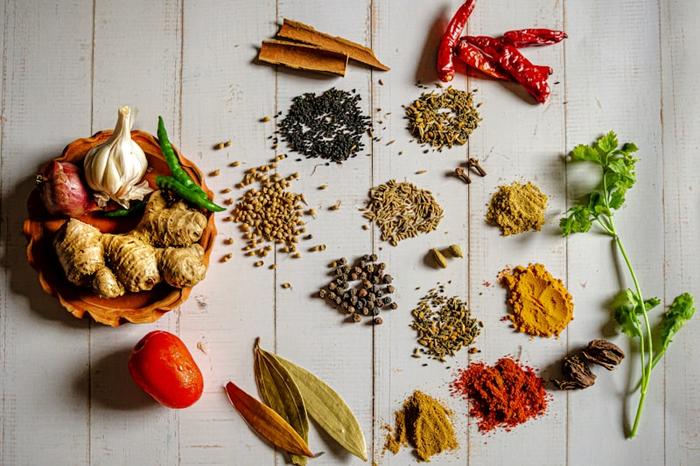
India produces roughly 75% of the world's spices — and the variety is staggering. From the cardamom of Kerala to the turmeric of Andhra Pradesh, from the cumin of Rajasthan to the chilli of Guntur, India is the world's spice bowl.
Major Spice-Producing Regions
Rajasthan (cumin, coriander, fennel, fenugreek), Gujarat (cumin, isabgol), Madhya Pradesh (coriander, soybean), Kerala (cardamom, pepper, cloves), Andhra Pradesh (turmeric, chilli), and Tamil Nadu (chilli, turmeric). Rajasthan is particularly important for seed spices.
Organic vs Conventional
India's organic spice sector is growing rapidly, driven by demand in Europe, North America, and Japan. Organic certification (India Organic, USDA Organic, EU Organic) requires documented traceability from farm to processing facility. The premium for organic is typically 20-50% over conventional.
Quality Standards
Indian spices are graded by: moisture content, volatile oil content, ash content, extraneous matter, and absence of pesticide residues. For export, products must meet the destination country's food safety standards (FDA, EU regulations, etc.).
Packaging for Export
Spice packaging needs to be airtight, moisture-resistant, and suitable for sea transport. Multi-wall paper bags with inner poly lining are standard for bulk. Retail packaging requires proper labelling with ingredients, origin, best-before dates, and nutritional information.
Working with Processors
We recommend working with FSSAI-licensed and spice board-registered processors rather than directly with farmers. Processors handle cleaning, grading, testing, and export documentation — essential services for international trade.
Need Ground-Level Sourcing or Quality Control in India?
QualityLink Global is based in Jodhpur. We perform on-site factory audits, pre-shipment inspections, and container loading supervision across Rajasthan and North India.
🛒 Related Products & Services
Interested in sourcing these products? We are based in Jodhpur and can help. Get a free quote →