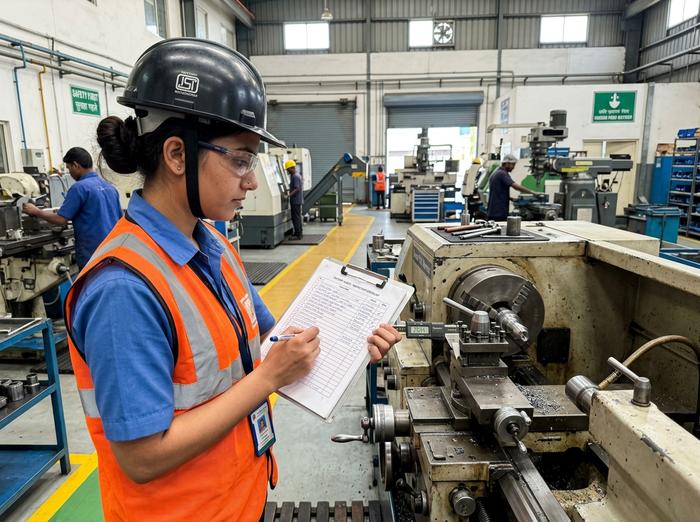
A video call can tell you whether a factory exists. It cannot tell you how the timber yard smells after rain, whether the "in-house polishing unit" is a shed three streets away, or how a supplier behaves when you point at a defect in person. For a first order — or a first serious supplier relationship — there is still no substitute for going to India and walking the floor yourself. The buyers who get the most out of the journey are the ones who plan it like a working trip, not a holiday with factory visits attached.
This is a practical field guide to planning that first sourcing trip: when to go, where to base yourself, what to carry, and how to structure your days so you come home with verified suppliers instead of a bag of brochures.
1. Why the trip still matters in the video-call era
Remote verification has come a long way — our video factory walkthrough guide covers how much a live call can reveal before you book a flight. But some things only exist in person:
- The material yard. What timber, stone, or fabric stock the factory actually holds — versus what it orders in after you pay. A yard full of your material means real capacity; an empty yard means your order will be bought in from elsewhere.
- Machines running, not machines present. A camera shows machines. A visit shows whether they are running, who operates them, and whether the workforce looks experienced or makeshift.
- The subcontracting trail. Finished goods being loaded from unmarked vans, workers who cannot answer basic questions about your product, a suspiciously quiet shop floor during your "production" visit — all easier to spot on foot.
- The relationship itself. In Indian business culture, the supplier who has shared chai with you answers the phone faster when a problem arises. Trust is still built face to face.
2. When to go — and when not to
Timing shapes what you can see. A few calendar realities for sourcing travel in India:
- Best windows: October to March. The weather is workable across Rajasthan, Uttar Pradesh, and Delhi NCR, and factories run full schedules. This is also when most international buyers travel, so book factory appointments early.
- Think twice about May and June. In Rajasthan and the northern plains, daytime heat makes full factory days grueling — for you and for honest observation. If you must travel then, schedule visits early in the morning.
- Monsoon (roughly June to September) slows transport and outdoor work in many regions and can disrupt travel plans. It is also when you see a factory's drainage, storage covers, and material protection at their most tested — not all bad, but plan buffer days.
- Festival shutdowns are real. Diwali — usually October or November — closes factories for several days, with slowed production before and after. Our Diwali planning guide covers the shutdown pattern in detail. Holi (spring) and Eid (varies) also pause work. Check the year's dates before booking flights.
3. Where to base yourself: think in clusters
Indian manufacturing is intensely clustered — each craft lives in its own city, often its own neighborhood. Plan your route around clusters, not around individual factories:
- Jodhpur — wooden furniture (especially sheesham and mango wood), bone inlay, and handicrafts. The densest furniture-export cluster in Rajasthan.
- Jaipur — block-print textiles, blue pottery, brass and metal crafts, gemstone-adjacent crafts.
- Moradabad — brassware and metal handicrafts; worth the trip if metal is your category.
- Agra — marble inlay (pietra dura) and stone crafts, beyond the Taj.
- Bhadohi — hand-knotted carpets and dhurries.
- Delhi NCR — mixed categories, buying houses, and export logistics; a useful start or end point since you will likely fly through Delhi anyway.
Two or three factories per day is the realistic maximum if you want proper walkthroughs rather than drive-bys — and leave one buffer day per week for the visits that run long or the supplier who asks you to come back tomorrow. Our Rajasthan sourcing and North India sourcing overviews map these clusters in more detail.
4. The prep pack: what to carry
The buyers who waste trips are the ones who arrive to "have a look around." Arrive with:
- Your spec sheets and drawings — printed. A factory takes you more seriously when the first conversation is about tolerances, not tourism.
- Reference samples or detailed photos of the quality level you expect, including close-ups of finishes and joints.
- A shortlist with addresses and contact names, appointments confirmed in writing, and a prioritized order — your must-see factories first, in case the week compresses.
- Basic measurement tools — a tape measure and a small moisture meter cost little and change the dynamic of a visit. Measuring in front of a supplier signals that your inspections will be real.
- A notebook habit. Photograph everything (ask permission first), note who said what, and record commitments the same day. Memory blurs; the notebook does not.
5. How to structure a factory day
A useful visit follows the material, in order:
- Start at the raw material yard. Species, seasoning, storage conditions — this is where quality is decided, months before your order exists.
- Walk production in sequence — cutting, assembly, carving, finishing — and watch actual work happening, not staged demonstrations.
- Inspect the finishing and packing areas. Finishing quality and export packing standards are where many factories cut corners; see both with your own eyes.
- Ask to see current export orders being packed. How another buyer's goods are treated tells you how yours will be treated.
- End with a sit-down. Confirm lead times, inspection rights, and who your day-to-day contact will be — in writing, before you leave the premises.
If you are working with a supplier verification service, share your itinerary in advance — a local team can pre-screen your shortlist so your days go to the strongest candidates.
6. After you fly home: the first week decides the value
Trips decay fast. Within a week of landing:
- Send written confirmations of everything agreed at each factory — specs, timelines, next steps. What is not written down did not happen.
- Request samples against the agreed spec from your shortlisted suppliers, referencing the specific visit date and the person you dealt with.
- Score every factory you visited while impressions are fresh — capability, honesty, communication, and your gut feeling. The scoresheet matters more than the souvenirs.
- Keep inspecting. A good visit is the start of verification, not the end of it. Our supplier verification guide covers the document checks that should follow every promising visit.
A well-planned week in Rajasthan and Uttar Pradesh will teach you more about your supply chain than a year of email threads. Plan it like the investment it is.
Frequently Asked Questions
How many days should I plan for a first sourcing trip to India?
Seven to ten working days is a sensible first trip: enough for two clusters (for example Jodhpur plus Jaipur) at two to three factory visits a day, with buffer days for return visits. Shorter trips force drive-by visits that verify little; longer first trips tend to lose focus.
Should I bring a sourcing agent or interpreter with me?
For a first trip, a local guide is worth it — not just for language, but for reading situations: which "factory" is a trading office, which delay excuse is genuine, which commitment needs writing down. Factory owners in the export clusters generally speak workable English; the value of a local is judgment, not translation.
Can I visit factories without an appointment?
You can, but you will see the showroom, not the factory. Unannounced visits rarely get past the front office at serious exporters, and the walkthrough you receive will be curated. Book appointments in writing, confirm the day before, and arrive with your spec sheets — preparation earns you the real tour.
What is the single most useful thing to check on a first visit?
The raw material yard. Almost every quality problem in furniture, stone, and textiles is decided at the material stage — species, seasoning, storage. A factory with deep, well-kept material stocks and honest answers about sourcing is usually sound downstream; a factory that waves away material questions will wave away your quality complaints later.

Published by QualityLink Global Sourcing Team
Operating directly out of Jodhpur and Jaipur, Rajasthan. Our team provides hands-on supplier verification, factory audits, moisture testing, quality control, and container loading supervision across North India.
Need On-the-Ground Sourcing or QC Support in India?
If you have a prospective supplier in Rajasthan or North India, an active production run, or upcoming container loading, we can step onto the factory floor to verify specs and eliminate export risks.